Freeze-dried food with cold or hot water
Fire season on the trail, a boat with the gas off, a power cut, an office without a kettle. Most pouches don’t need hot water. They need drinking water and a little patience.
By STOCKUP · Updated
In this guide (5)
Chicken & Rice wants 400 ml either way: 8 minutes with water from the kettle, about 20 minutes with water from the bottle. That’s the pattern for nearly all our mains and every breakfast and dessert: the same water, and more minutes.
- Chicken and rice with hot water
- 8minutes
- The same pouch with cold water, about
- 20minutes
- The risotto with cold water
- hot water only
| Pouch | Water | Hot water | Cold water |
|---|---|---|---|
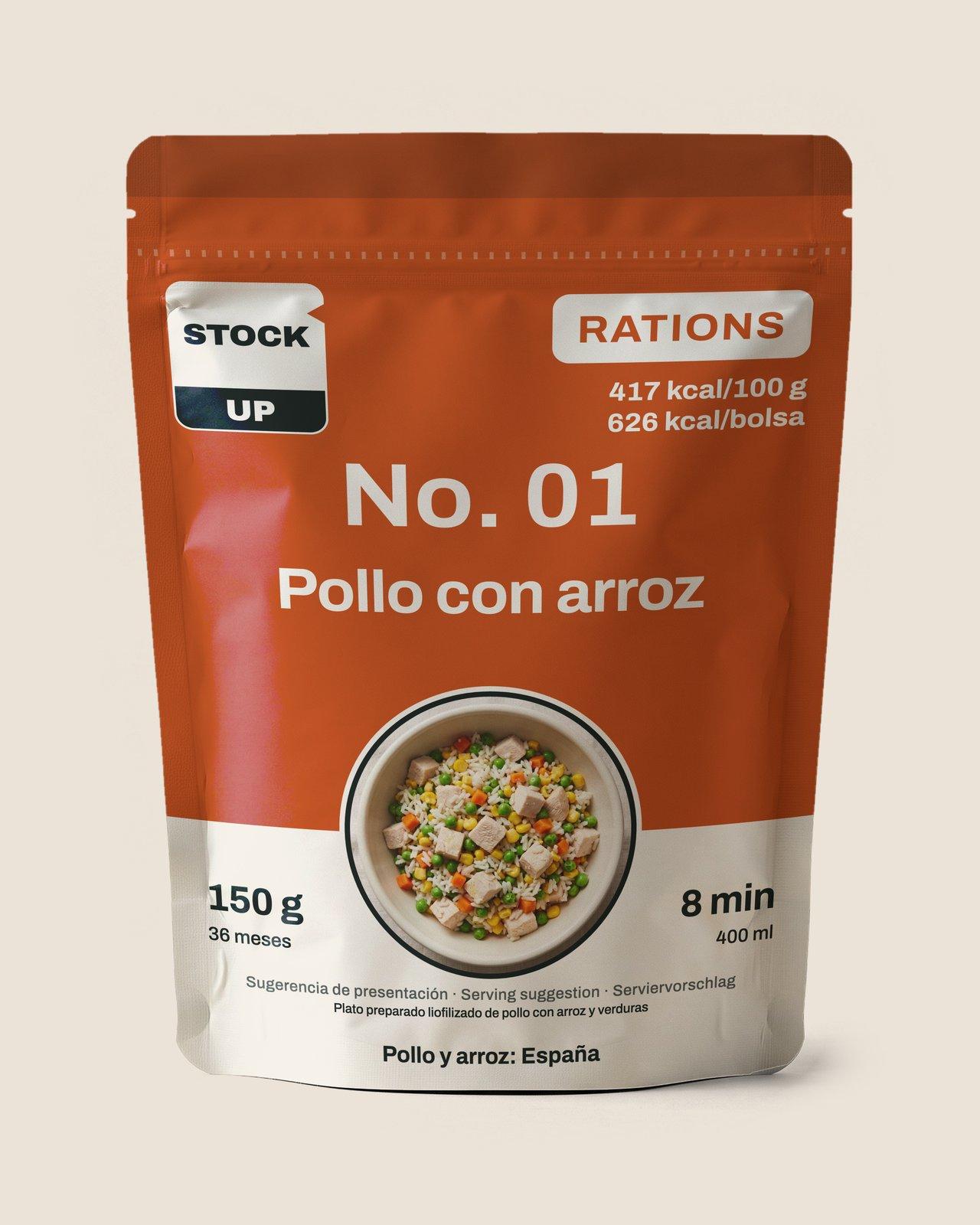 Chicken & RiceLarge | 400 ml | 8 min | about 20 min |
 Lentil & Vegetable StewLarge | 400 ml | 8 min | about 20 min |
 Porridge & Fruit | 250 ml | 5 min | about 20 min |
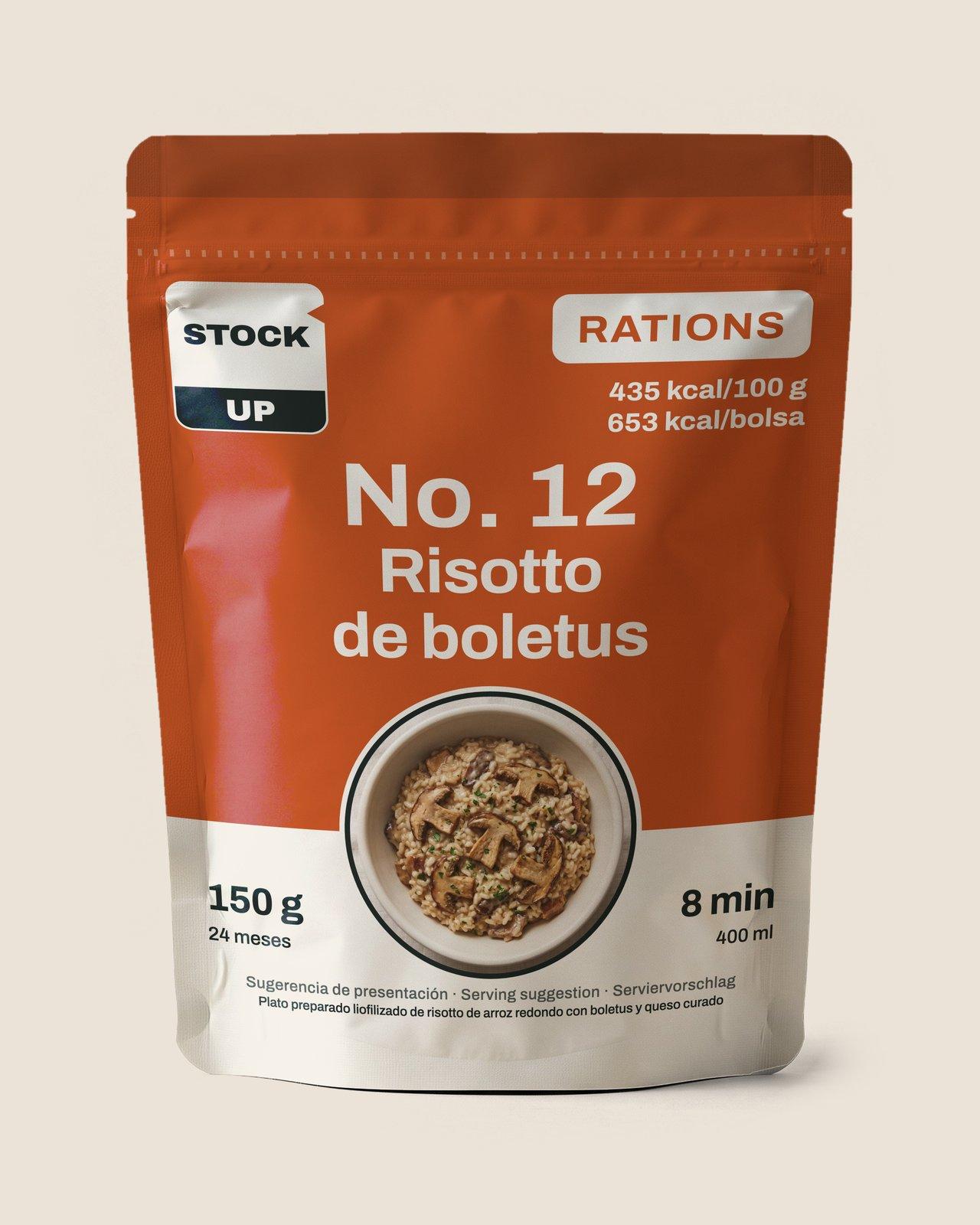 Porcini Mushroom RisottoLarge | 400 ml | 8 min | Hot water only |
 Puchero Broth | 250 ml per cup | 1 min | Hot water only |
 Guacamole | 120 ml | Cold water only | 5 min |
Water and minutes, hot and cold, for six kinds of pouch
- Chicken & RiceLarge
- Water
- 400 ml
- Hot water
- 8 min
- Cold water
- about 20 min
- Lentil & Vegetable StewLarge
- Water
- 400 ml
- Hot water
- 8 min
- Cold water
- about 20 min
- Porridge & Fruit
- Water
- 250 ml
- Hot water
- 5 min
- Cold water
- about 20 min
- Porcini Mushroom RisottoLarge
- Water
- 400 ml
- Hot water
- 8 min
- Cold water
- Hot water only
- Puchero Broth
- Water
- 250 ml per cup
- Hot water
- 1 min
- Cold water
- Hot water only
- Guacamole
- Water
- 120 ml
- Hot water
- Cold water only
- Cold water
- 5 min
The cold minutes are approximate.
Same water, more minutes
The method is the one on the pouch, with the kettle left out. The only skill is stirring.
Step by step
Open it and take out the sachet
Open the zip and lift out the small oxygen absorber. It goes in the bin, not in the dinner.Pour in the water
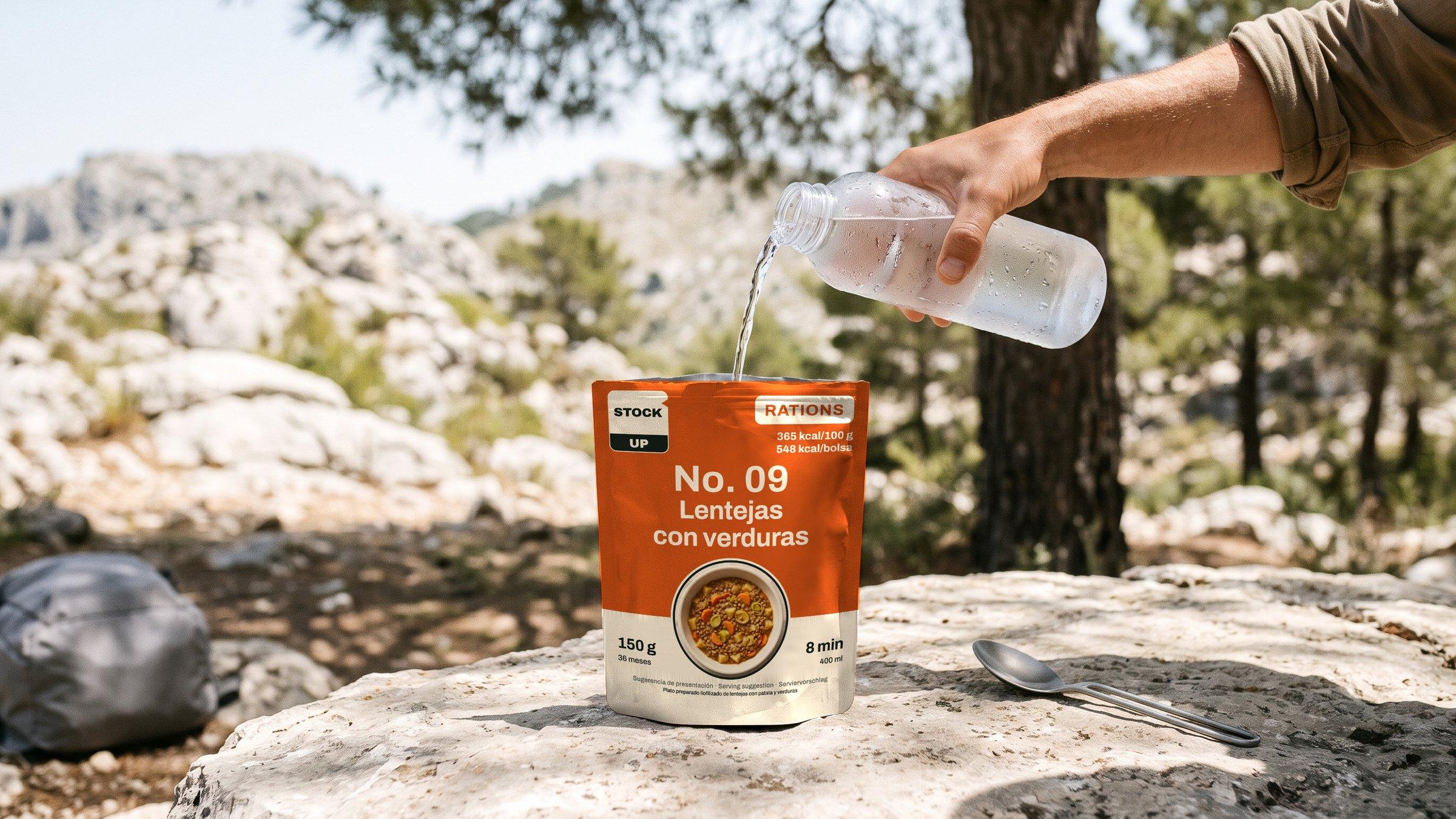
Drinking water, cold, to the amount printed on the pouch: 400 ml for the Lentil & Vegetable Stew. Not less because it’s cold.Stir to the corners
Stir well, right into the bottom corners where the dry food hides, then close the zip.Wait, stir again halfway
Stand it upright somewhere it won’t tip and give it a second stir halfway. For the stew, that’s about 20 minutes in all.Eat it when it’s soft
When the last firm bits have given in, it’s ready. Eat it then, from the pouch.
Stand the pouch on a rock, not on your knee.
What changes when the water is cold
The temperature, obviously: a cold-soaked stew is eaten at the temperature of the water you poured, which on a July afternoon is no hardship. The texture takes longer to come round, and that’s what the extra minutes are for. The one measurement there is, on small pieces of freeze-dried tofu, found that water at 70 °C soaked in about 2.3 times faster than water at 20 °C, and that boiling water brought no further gain. The authors put it down mainly to warm water being thinner.1
Beyond that, the official world is silent. No food authority, outdoor federation or army manual we could find says how to prepare a freeze-dried meal with cold water; the US Army’s own freeze-dried ration is written for potable water and a heat source.2 So the minutes in the table are ours, for our pouches, and nobody else’s rule.
When it has to be the kettle
Some pouches don’t work cold, and the pouch says so. The Porcini Mushroom Risotto is hot water only, and so is the Mashed Potato. So are the broths: Puchero Broth, Vegetable Stock and Beef Bone Broth are made by the cup, with water from the kettle, in 1 minute.
One goes the other way. The Guacamole is cold water only: 120 ml, about 5 minutes, and no kettle anywhere near it. The Thai Beef & Prawn Noodle Salad is the other oddity: it prefers cold water, and if you do warm it, the pouch asks for warm, not boiling.
The water has to be fit to drink
Hot water from the kettle doesn’t make doubtful water safe in a pouch, and cold water certainly won’t. Use water you’d drink.
At home that’s simple. Spain’s health ministry puts it in one line: drinking water, always, for drinking and for cooking, and the town hall tells you when the supply isn’t fit.3 Britain’s Chief Medical Officers, in their advice for a national power cut, count cold tap water as safe while it still flows normally.4 Under a boil-water notice, bring it to a rolling boil and let it cool;5 Valencia’s health department asks for at least a minute at the boil.6
Outdoors, the advice divides. The US Centers for Disease Control say drinking straight from a clear mountain stream generally isn’t safe, and that boiling for a minute is the best treatment;7 Mountaineering Scotland calls high Scottish streams generally drinkable, away from livestock.8 Carry the water for the pouch, or treat what you find before it goes in.
Once the water is in, eat it
A pouch with water in it is prepared food, whatever the water’s temperature. Freeze-drying doesn’t kill bacteria; it only stops them, and the water wakes them up.9
That’s why cold water is the answer in the places where a flame isn’t. On the trail in fire season, when a stove is out of the question, see food for the Sierra de las Nieves; at anchor with the gas off, provisioning a sailing weekend; and when the power goes, food for a power cut.
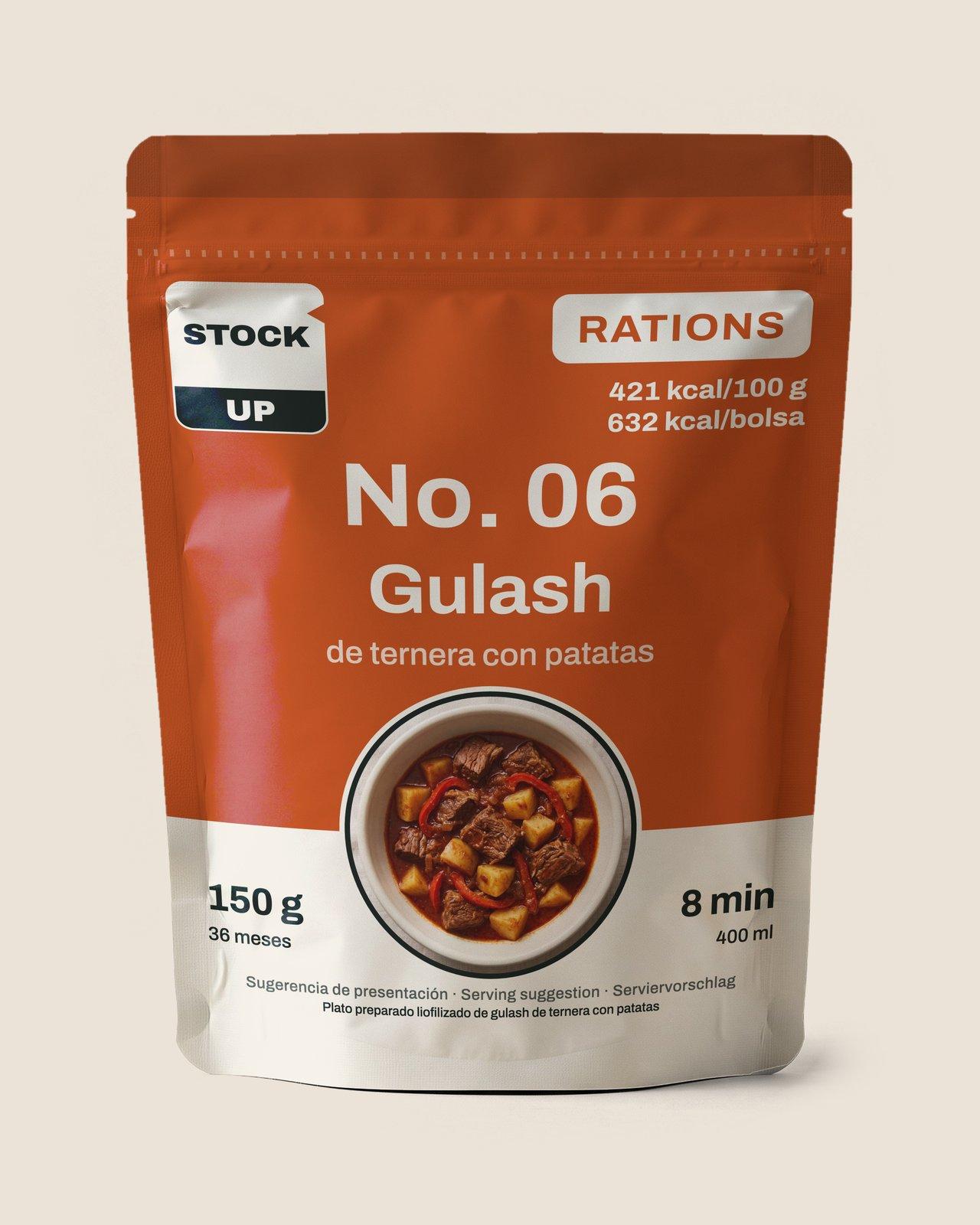
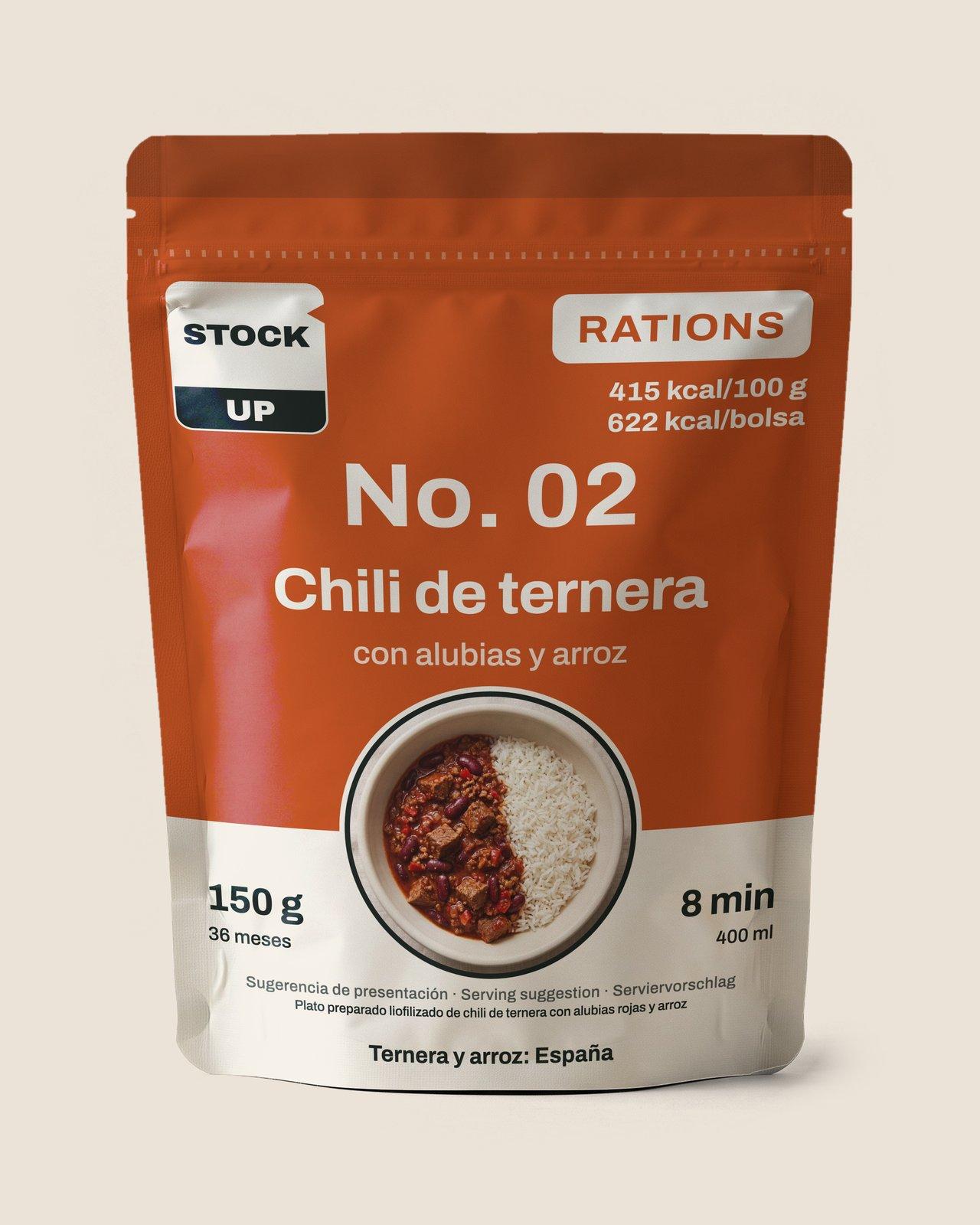
From our range
72-Hour Food Reserve
Sources
Accessed 6 November 2026
- Crack expansion dynamics of freeze-dried soybean curd during rehydration (opens an external website)
- Operational rations of the Department of Defense (opens an external website)
- Preguntas frecuentes sobre salud pública tras inundaciones (opens an external website)
- Water and sanitation: scripts for broadcast media during a national power outage (opens an external website)
- Receiving a boil water notice (opens an external website)
- Recomendaciones de seguridad alimentaria a los consumidores para reducir el riesgo en inundaciones (opens an external website)
- About water treatment options when hiking, camping, or traveling (opens an external website)
- Drinking water (opens an external website)
- Can I freeze-dry that? A practical guide to safe and effective freeze-drying (opens an external website)
- Prevenir intoxicaciones alimentarias en verano (opens an external website)
- How to chill, freeze and defrost food safely (opens an external website)
Hear from us before the shop opens
Leave your email and we’ll ask you to confirm it, write to you about our food before the launch, and send a note the day ordering opens.