Prepping for beginners: what to do first, and what can wait
Prepping has a reputation for bunkers and gadgets. The official guides from Washington to Stockholm start somewhere far plainer: with knowing your risks, a tap, a cupboard of food you already eat, and a plan agreed at the kitchen table.
By STOCKUP · Updated
In this guide (5)
The list, in order: water first
No government tells a beginner to start by buying gear. Of eleven official guides, from governments, the EU and the Red Cross, seven open with knowing your local risks or making a plan: Ready.gov’s menu starts with “Make a Plan”,1 Canada’s first step is to “understand the risks in your area”,4 and New Zealand, Switzerland and the Australian Red Cross begin the same way.586 Even the American Red Cross, whose banner reads “Get a Kit” first, starts its plan by talking through the emergencies most likely where you live.221 The two that open with supplies, Germany’s BBK and Sweden’s civil-defence brochure, open with water and food kept at home, not with equipment.79 The UK’s Be Ready starts in the kitchen: “Check your cupboards first to see what essentials you already keep at home.”3
The plan costs an evening and no money, and it’s at the end of this page. The list is for what you gather, and it starts with tap water and food you already eat, then the few things that work without power, then papers, cash and medicines. Finish each group before starting the next; a household can work through all four in a month of ordinary shopping.
The first month, in order
0 of 13 ticked
Your ticks stay in this browser only.
Water comes first because, as Germany’s BBK puts it, drinking water matters more than food,12 and because it’s the cheapest thing to fix: a tap and a few clean bottles. The litres your own country asks for, and how to store them, are in how much water to store per person. Food you already eat comes second because it costs nothing extra to keep fresh: you eat it and replace it, which is the whole method of a two-week pantry from the supermarket; which foods keep without a fridge is in the non-perishable food list.
How many days your country asks for
The days differ more than any other figure. Three is the common start; Germany and Austria ask for ten or more.
| Days asked | Who says it | |
|---|---|---|
| United States | “Several days”, no number28 | Ready.gov (FEMA) |
| United States | 3 to evacuate, 14 at home16 | American Red Cross |
| United Kingdom | 313 | Be Ready |
| Canada | At least 72 hours24 | Government of Canada |
| New Zealand | “Three days or more”25 | Get Ready |
| Australia, Queensland | 523 | Get Ready Queensland |
English-speaking countries: days of self-reliance at home, as each authority printed it on the date under the sources
United States
- Days asked
- “Several days”, no number28
- Who says it
- Ready.gov (FEMA)
United States
- Days asked
- 3 to evacuate, 14 at home16
- Who says it
- American Red Cross
United Kingdom
- Days asked
- 313
- Who says it
- Be Ready
Canada
- Days asked
- At least 72 hours24
- Who says it
- Government of Canada
New Zealand
- Days asked
- “Three days or more”25
- Who says it
- Get Ready
Australia, Queensland
- Days asked
- 523
- Who says it
- Get Ready Queensland
| Days asked | Who says it | |
|---|---|---|
| Germany | 10 if possible, at least 3 to start12 | BBK |
| Austria | At least 10–1427 | Interior Ministry |
| Switzerland | About a week of food26 | BWL |
| Sweden | At least a week18 | Civil-defence agency (MCF) |
| Spain | 72 hours10 | Protección Civil |
| European Union | At least 72 hours11 | European Commission |
Europe: days of self-reliance at home, as each authority printed it on the date under the sources
Germany
- Days asked
- 10 if possible, at least 3 to start12
- Who says it
- BBK
Austria
- Days asked
- At least 10–1427
- Who says it
- Interior Ministry
Switzerland
- Days asked
- About a week of food26
- Who says it
- BWL
Sweden
- Days asked
- At least a week18
- Who says it
- Civil-defence agency (MCF)
Spain
- Days asked
- 72 hours10
- Who says it
- Protección Civil
European Union
- Days asked
- At least 72 hours11
- Who says it
- European Commission
Go by your own country’s row; if you split the year between two countries, take the longer figure. And don’t let a big number put you off: the BBK, which asks for ten days, says a stock for three is already a great help and that every bit of preparation counts.12
Latin America runs across the same span. Mexico’s disaster prevention centre, CENAPRED, asks for tinned food and bottled water for two days on one page,30 and on another says the emergency bag should cover the first 72 hours;31 Colombia’s disaster agency, the UNGRD, asks for a reserve of at least 5 days.32
The first week, on a small budget
Start with what costs nothing. The UK’s Be Ready says many of its suggestions “won’t cost anything and just take a few minutes”:3 look through the cupboards, write the important numbers on paper, agree on a meeting point, check the school has your numbers. Then buy the rest the way the official guides describe. Ready.gov: “pick up an extra item each time that you use regularly, especially if it’s on sale”.15 Be Ready: “You don’t need to do it all at once.”3 Sweden’s brochure says the same: ibland handla lite extra, sometimes buy a little extra.9
Prices depend on the shop and the country, so the sum is in litres and kilos: whatever your supermarket charges for 2.4 kg of pasta, tins and long-life milk is the weekly cost. How the same sum grows to two weeks or a month is in how much emergency food per person.
What can wait
Gear can wait: none of the eleven guides puts it first. So can a year of food, sealed buckets and long-term storage; those are a later project, explained in long-term food storage. A toilet plan for when the water is off belongs in the second month, with emergency toilet and hygiene when the water’s off. So do two things that cost nothing: finding out how warnings reach you where you live, in emergency alerts on your phone, and what your country says about cash, in how much cash to keep at home.
The word itself can wait, too. Merriam-Webster’s first sense of “prepper” is simply “a person who prepares something or prepares for something”;19 Cambridge builds a belief into it, someone who “believes that a war or disaster will happen soon”.20 Sweden’s civil-defence agency uses the verb plainly and asks people to preppa för en vecka, prep for a week.18
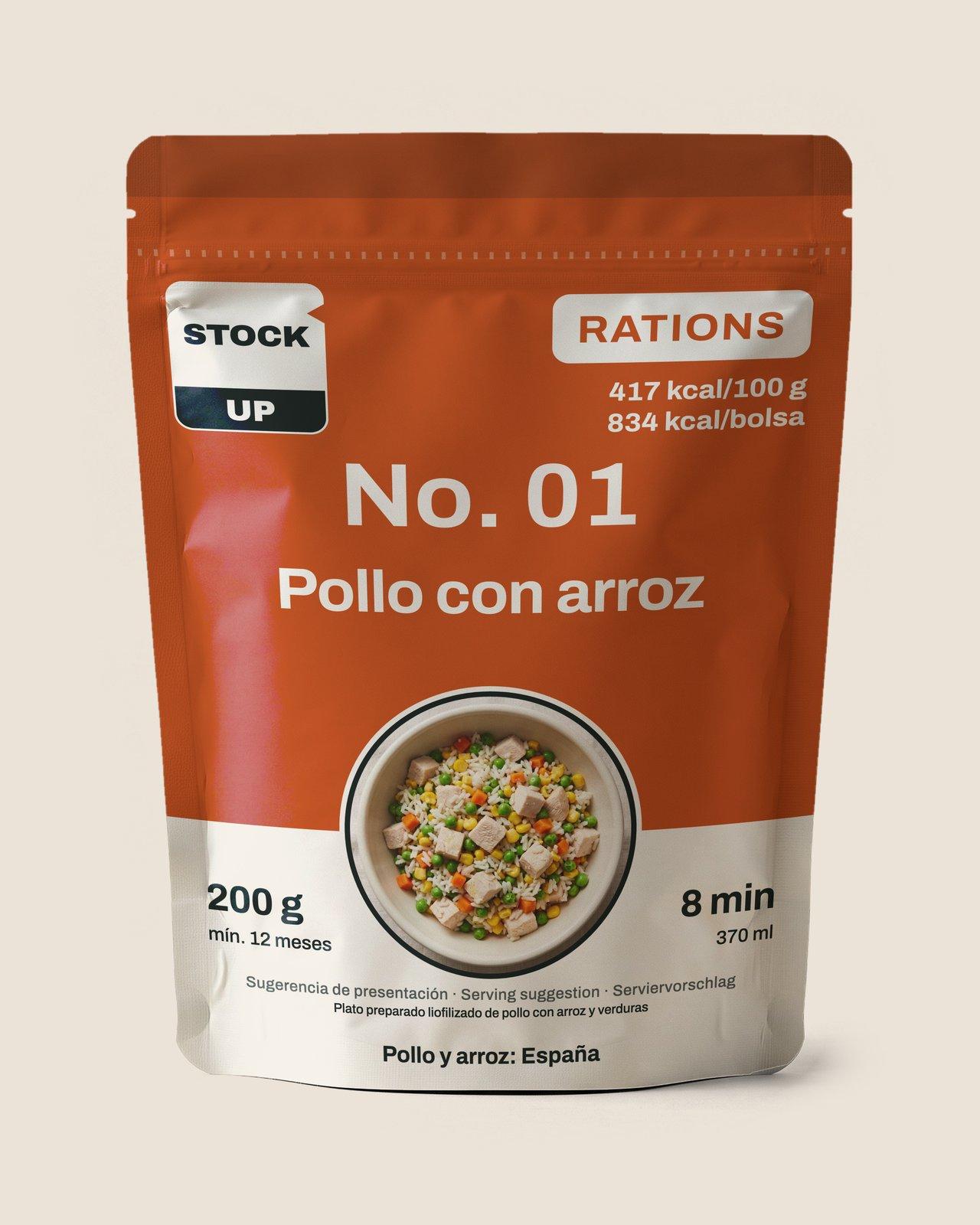
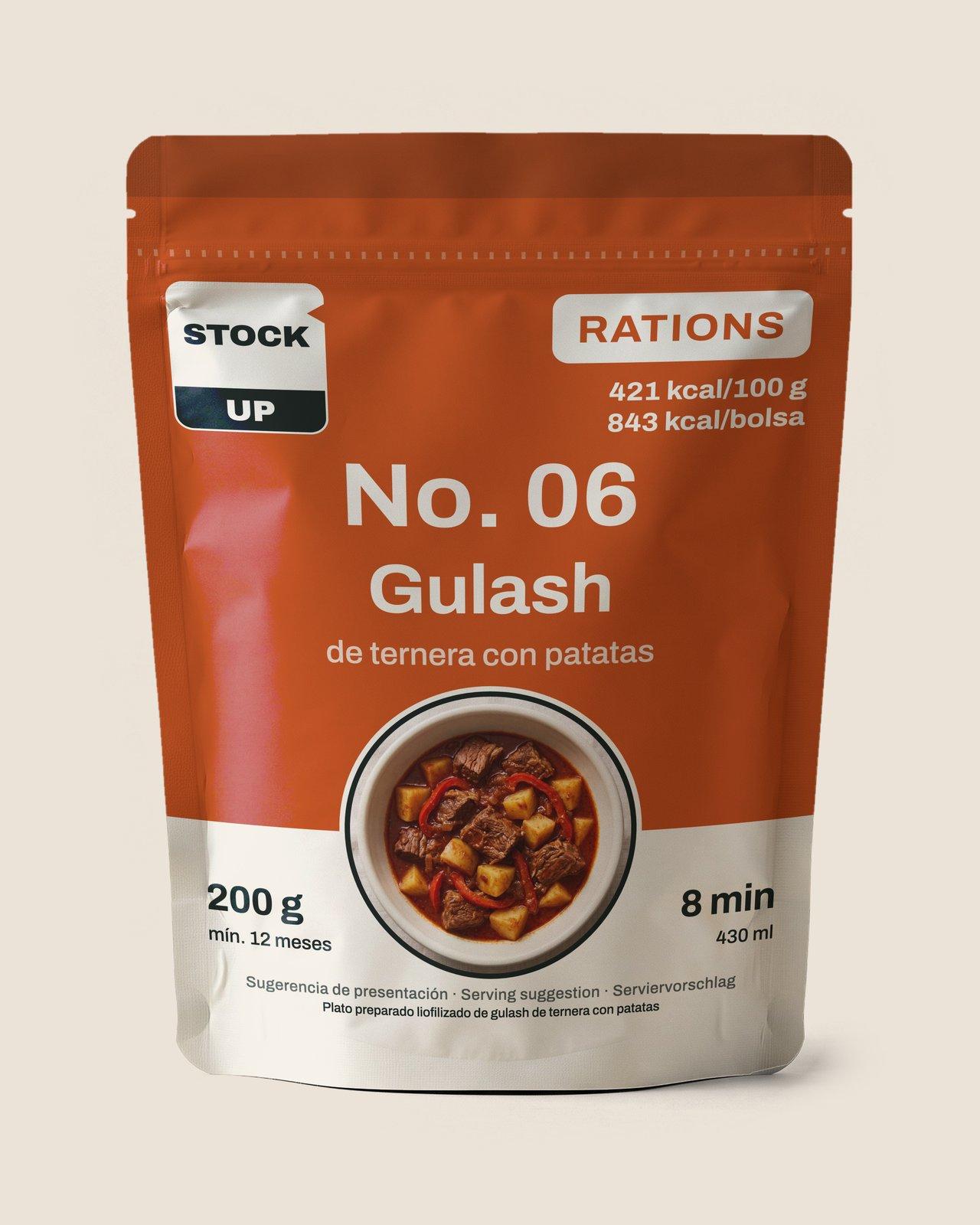
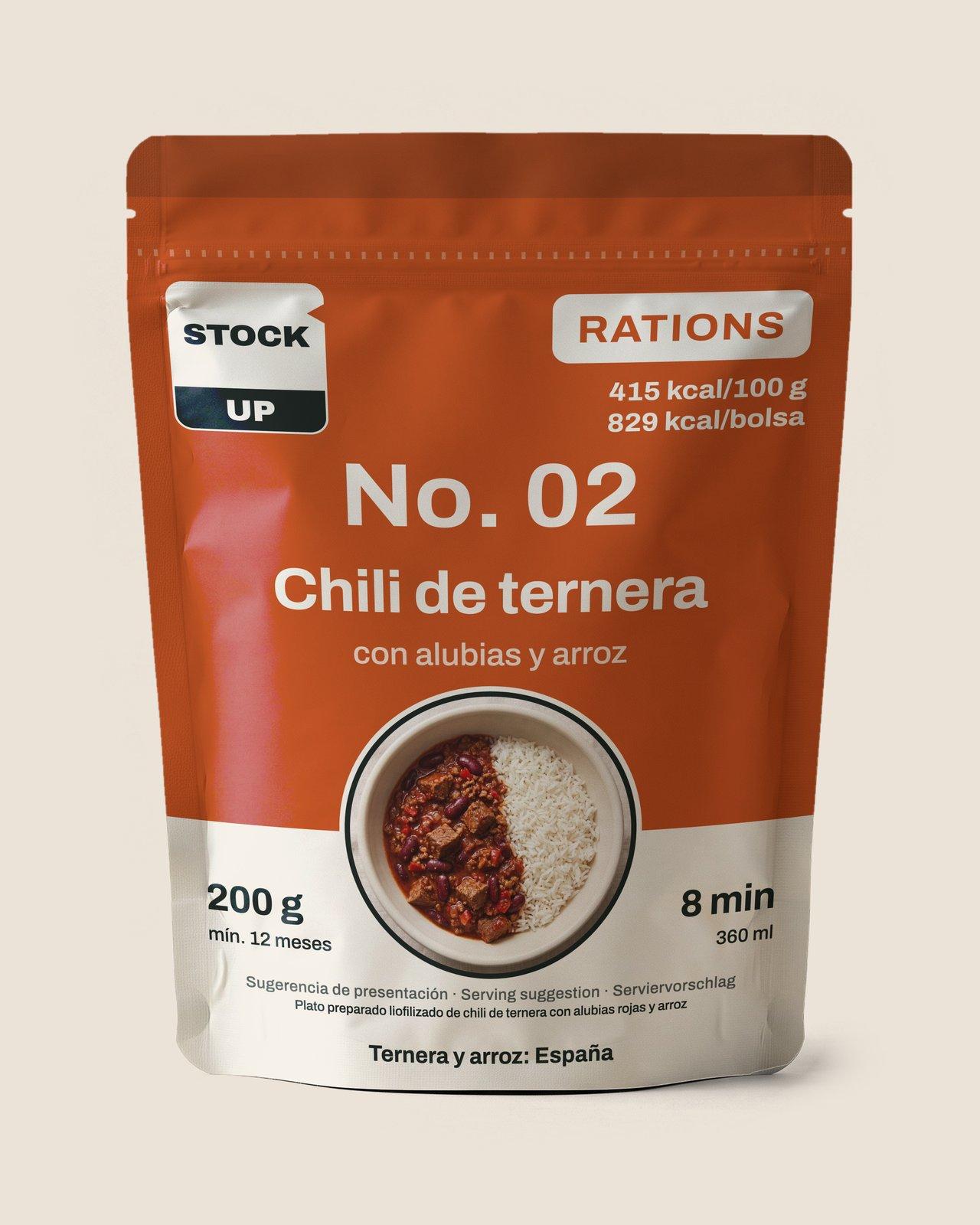
A box of ready meals can wait as well, until the four groups are done. Ours, the 72-Hour Food Reserve, fills the food line for 3 days with a porridge such as Porridge & Fruit and Large mains such as Chicken & Rice and Lentil & Vegetable Stew; it doesn’t replace the water, the torch, the radio or the papers.
If you have to leave
Most of what you gather for home also goes in a bag if you are asked to leave: what to pack, item by item, is in the go bag list (some call it a grab bag or a bug-out bag), and the three-day kit for staying put is in the 72-hour kit list. The plan matters more than the bag. The American Red Cross asks for two meeting places, one right outside your home and one outside your neighbourhood;21 the Australian Red Cross adds a third, somewhere you can stay overnight.6 The American Red Cross and Canada also ask for a contact outside the area; the Red Cross’s reason is that a long-distance call or text may get through when local lines are overloaded.2122 Ready.gov’s first planning question is how you will receive emergency alerts and warnings.1
From our range
72-Hour Food Reserve
Sources
Accessed 10 November 2026
- Make A Plan (opens an external website)
- How to Prepare for Emergencies (opens an external website)
- Be ready for emergencies (opens an external website)
- Get prepared (opens an external website)
- Get your household ready for an emergency (opens an external website)
- Prepare (opens an external website)
- So können Sie sich vorbereiten (opens an external website)
- Notfallplan (opens an external website)
- Om krisen eller kriget kommer (opens an external website)
- Guía para las familias. Prevención y autoprotección ante riesgos en el entorno (opens an external website)
- Guidelines on Population Preparedness under the EU Preparedness Union Strategy (opens an external website)
- Vorsorgen für Krisen und Katastrophen (opens an external website)
- Get prepared for emergencies (opens an external website)
- Water (opens an external website)
- Low and No Cost Preparedness (opens an external website)
- Survival Kit Supplies (opens an external website)
- Home preparedness (opens an external website)
- Hemberedskap – preppa för en vecka (opens an external website)
- Prepper (opens an external website)
- Prepper (opens an external website)
- Make a Plan (opens an external website)
- Make an emergency plan (opens an external website)
- Emergency Kit Checklist (opens an external website)
- Emergency kits (opens an external website)
- Work out what supplies you need (opens an external website)
- Kluger Rat – Notvorrat (opens an external website)
- Verhalten bei Blackout (opens an external website)
- Build A Kit (opens an external website)
- Vorratskalkulator (opens an external website)
- Prepara una mochila de emergencia para toda la familia (opens an external website)
- Ten lista tu mochila de emergencia (opens an external website)
- Guía de preparativos ante sismo (opens an external website)
Hear from us before the shop opens
Leave your email. After a quick confirmation you get a welcome, a couple of short notes about our food and one email the day ordering opens. Nothing else.