Camping food with no fridge and no flame: what to pack
Most of a fridge-free trip comes off the supermarket shelf: tins, long-life milk, whole sausage, hard cheese. The two things to plan are the clock on anything perishable and the flame, which many parks and regions ban in summer.
By STOCKUP · Updated
In this guide (5)
The food box: what keeps without cold
On a campsite, in a van, at a festival or on a long drive, most of a fridge-free box comes off the supermarket shelf. The USDA’s list for trips of more than a day is ordinary shopping: shelf-stable meals, peanut butter in plastic jars, tinned tuna, ham and chicken, dried noodles and soups, jerky, dehydrated food, whole or dried fruit, nuts, powdered milk.12 Tins are safe, it adds, but heavy.
The box, for three days without a fridge
0 of 16 ticked
Your ticks stay in this browser only.
Eggs are the one shelf item that catches people out. In the EU, shops sell them unchilled because the law says so: a cold egg left in a warm room sweats, which can help bacteria grow on the shell. The same law puts a line on every box telling you to keep them in the fridge once bought.3 Without a fridge, they belong in the cool box or on the first day’s menu.
The clock: two hours out of the cold, less in the heat
Anything that normally lives in the fridge runs on a clock once it leaves the cold, and each food agency sets its own. Go by the one where you are; if you don’t know the temperature, go by the shorter time.
| Cold line | Out of the cold | Hot weather | |
|---|---|---|---|
| United States, USDA | 4 °C (40 °F)12 | 2 hours in the 4–60 °C (40–140 °F) danger zone12 | 1 hour at 32 °C (90 °F) or above12 |
| United Kingdom, FSA | 8 °C5 | Risk rises after 4 hours at 8 °C and above5 | 2 hours in extremely hot weather5 |
| Australia, SA Health | 5 °C or below13 | Not more than 2 hours13 | No figure |
| Spain, AESAN | 5 °C at most, for cooked food6 | 2 hours at most6 | 1 hour above 30 °C14 |
| Germany, BfR | Under 7 °C15 | Cooked food cooled to under 7 °C within a few hours15 | No figure |
Perishable food out of the cold, by each agency’s rule, as on its page on the date under the sources
United States, USDA
United Kingdom, FSA
Australia, SA Health
Spain, AESAN
Germany, BfR
The cool box (cooler, or esky in Australia) only counts while it’s cold. The USDA says leftovers in a cooler are safe only if there’s still ice in it, and a block of ice keeps food colder for longer than cubes.12 SA Health suggests two boxes, one for drinks, which gets opened all day, and one for food.13 Opened tins go out of the tin into a closed container and into the cool box.412
| Unopened | Once opened | |
|---|---|---|
| Tins and jars | Room temperature to the date; a year past it with the tin intact | Into a closed container and the cool box4 |
| Long-life milk | On the shelf to the date; three months past it, carton intact | No figure: buy cartons small enough to finish |
| Cured sausage, hard cheese | Whole and in its pack: three months past the date | No figure |
| Sliced bread | Bag closed: 15 days past the date; room temperature, not the fridge2 | No figure |
| One of our pouches | From the day it’s sealed: at least 12 months | Dry and zipped: 24 hours |
Shelf food: how long it keeps unopened, by Catalonia’s food agency, and what to do once it’s open1
Tins and jars
- Unopened
- Room temperature to the date; a year past it with the tin intact
- Once opened
- Into a closed container and the cool box4
Long-life milk
- Unopened
- On the shelf to the date; three months past it, carton intact
- Once opened
- No figure: buy cartons small enough to finish
Cured sausage, hard cheese
- Unopened
- Whole and in its pack: three months past the date
- Once opened
- No figure
Sliced bread
- Unopened
- Bag closed: 15 days past the date; room temperature, not the fridge2
- Once opened
- No figure
One of our pouches
- Unopened
- From the day it’s sealed: at least 12 months
- Once opened
- Dry and zipped: 24 hours
Read the Catalan figures for what they are: how long food stays fine after its best-before date when it has been kept as the label says. They aren’t a promise about a car boot in August. The longer version, for the cupboard at home, is the non-perishable food list, and the same clock governs a lunch box at work, which lunch at work without a fridge works through.
Meals that take water and nothing else
| Pouch | Water | Hot water | Cold water |
|---|---|---|---|
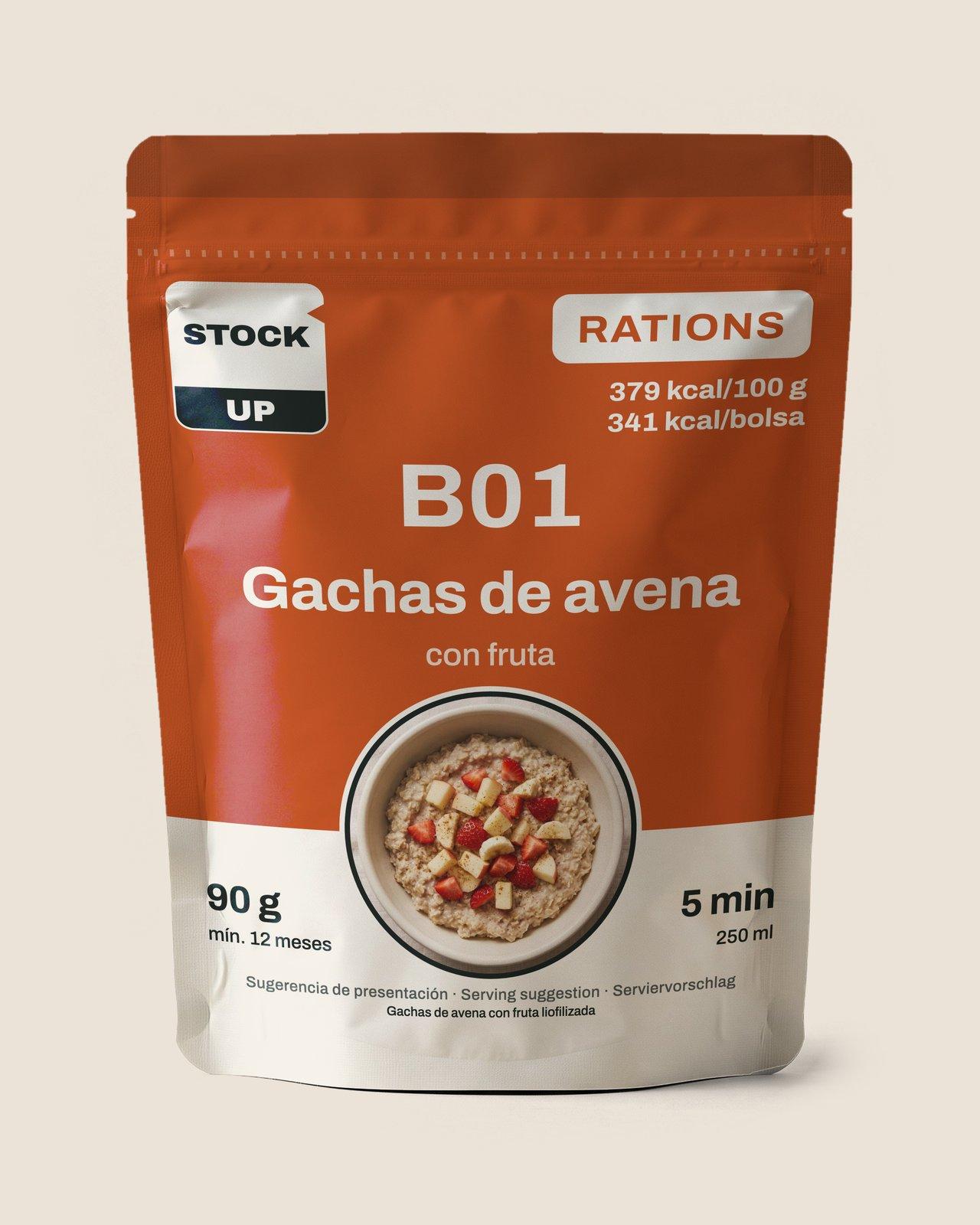 Porridge & Fruit | 250 ml | 5 min | about 20 min |
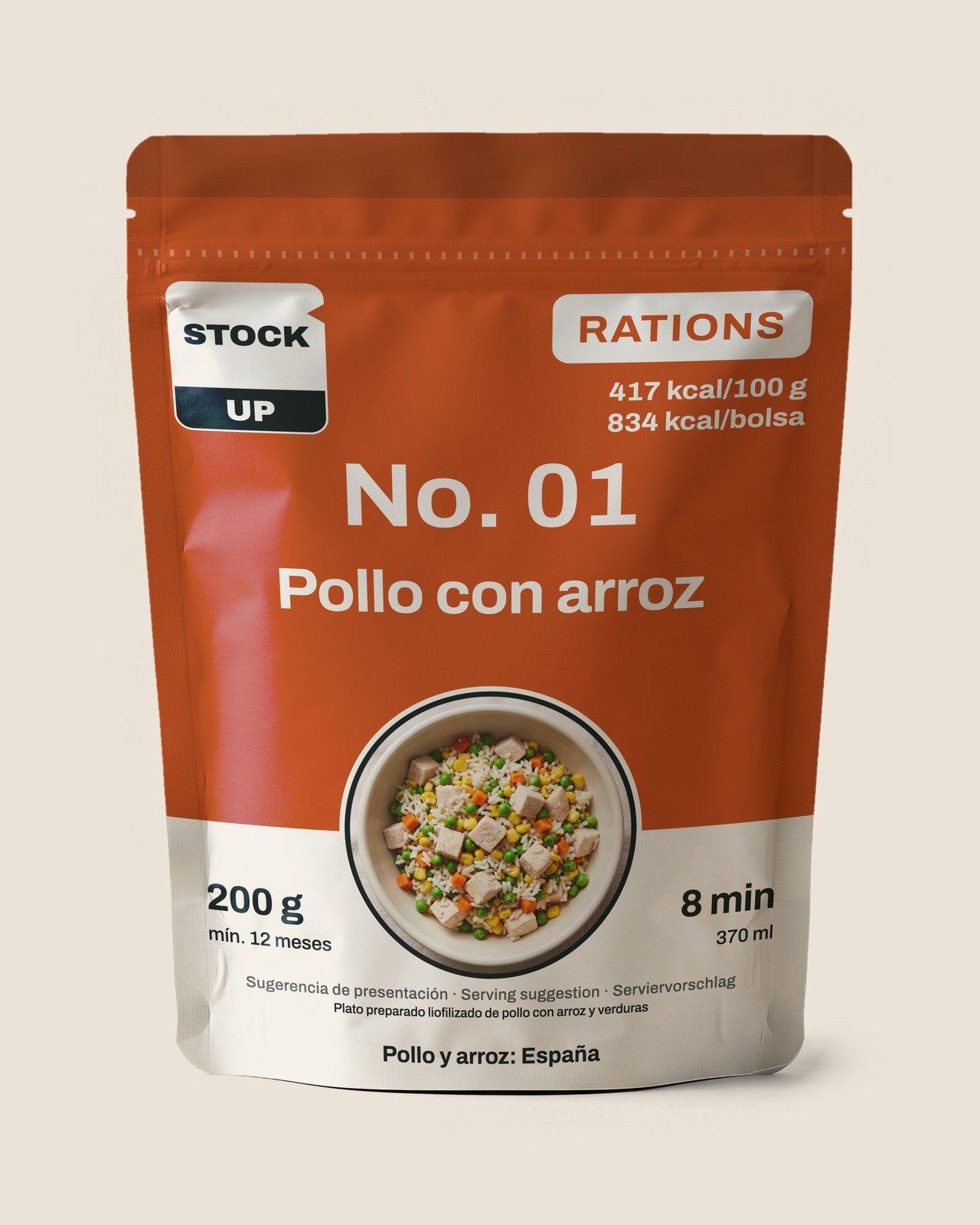 Chicken & RiceLarge | 370 ml | 8 min | about 20 min |
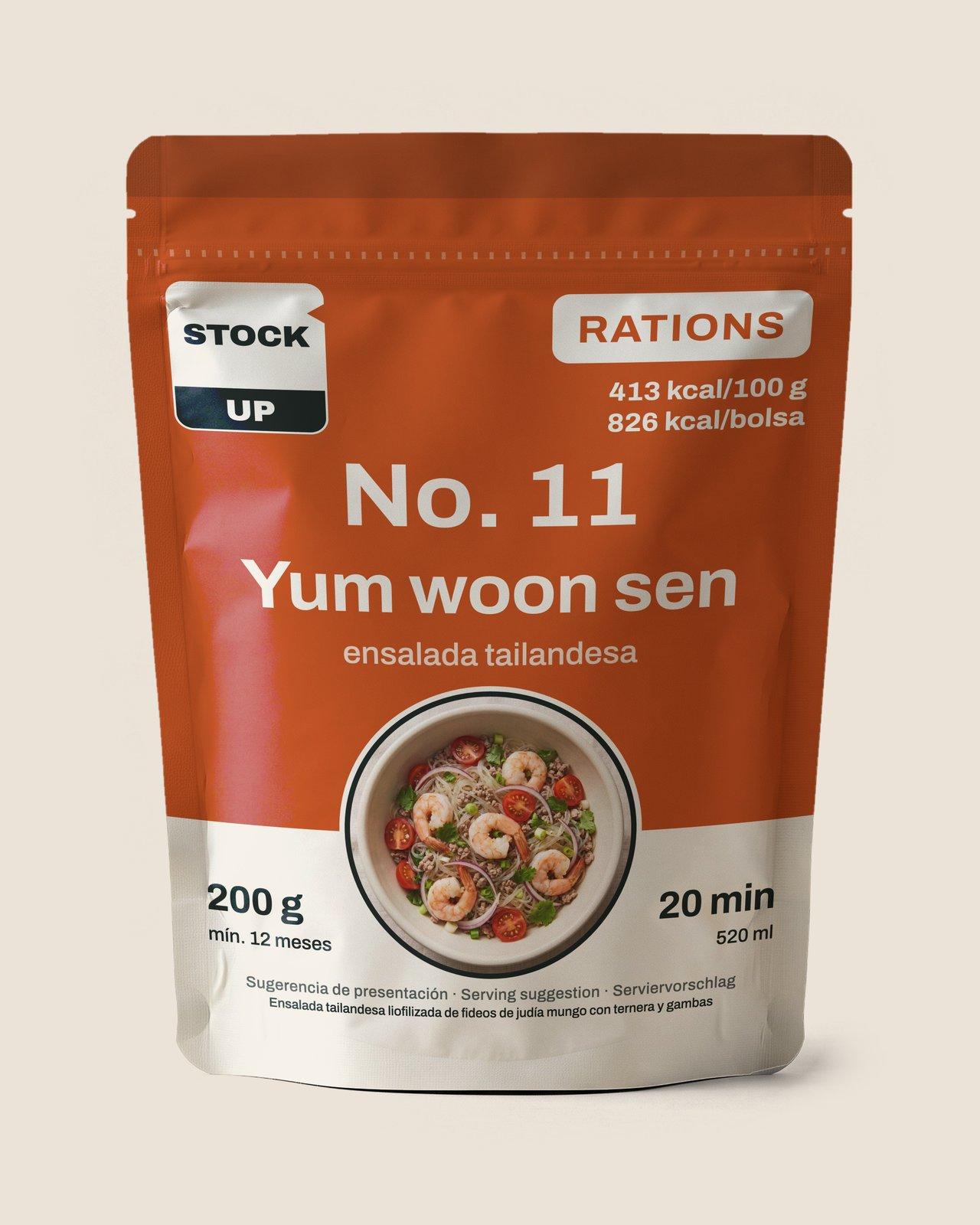 Thai Beef & Prawn Noodle SaladLarge | 520 ml | 5 min | about 20 min |
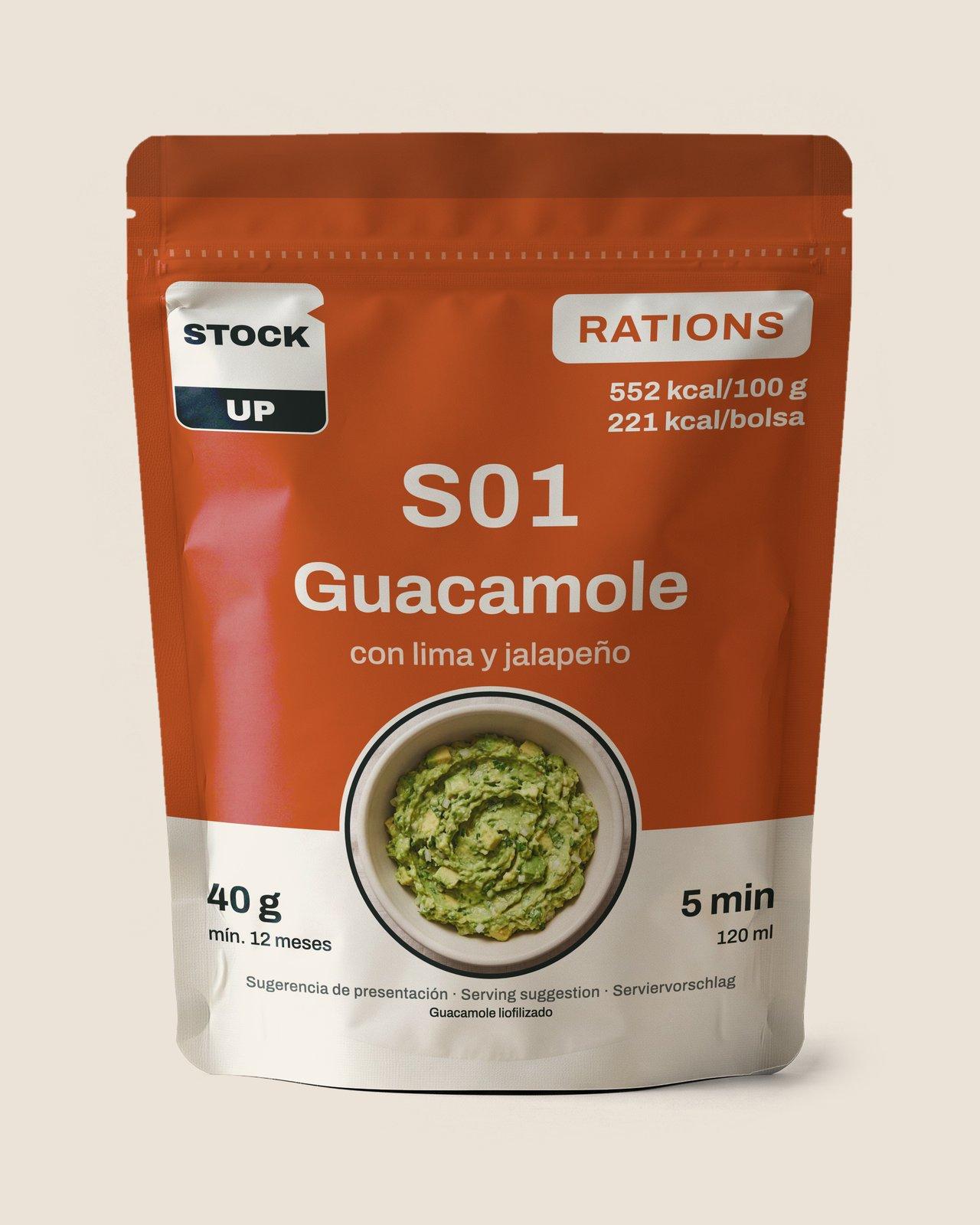 Guacamole | 120 ml | Cold water only | 5 min |
Four pouches for a trip without a flame
- Porridge & Fruit
- Water
- 250 ml
- Hot water
- 5 min
- Cold water
- about 20 min
- Chicken & RiceLarge
- Water
- 370 ml
- Hot water
- 8 min
- Cold water
- about 20 min
- Thai Beef & Prawn Noodle SaladLarge
- Water
- 520 ml
- Hot water
- 5 min
- Cold water
- about 20 min
- Guacamole
- Water
- 120 ml
- Hot water
- Cold water only
- Cold water
- 5 min
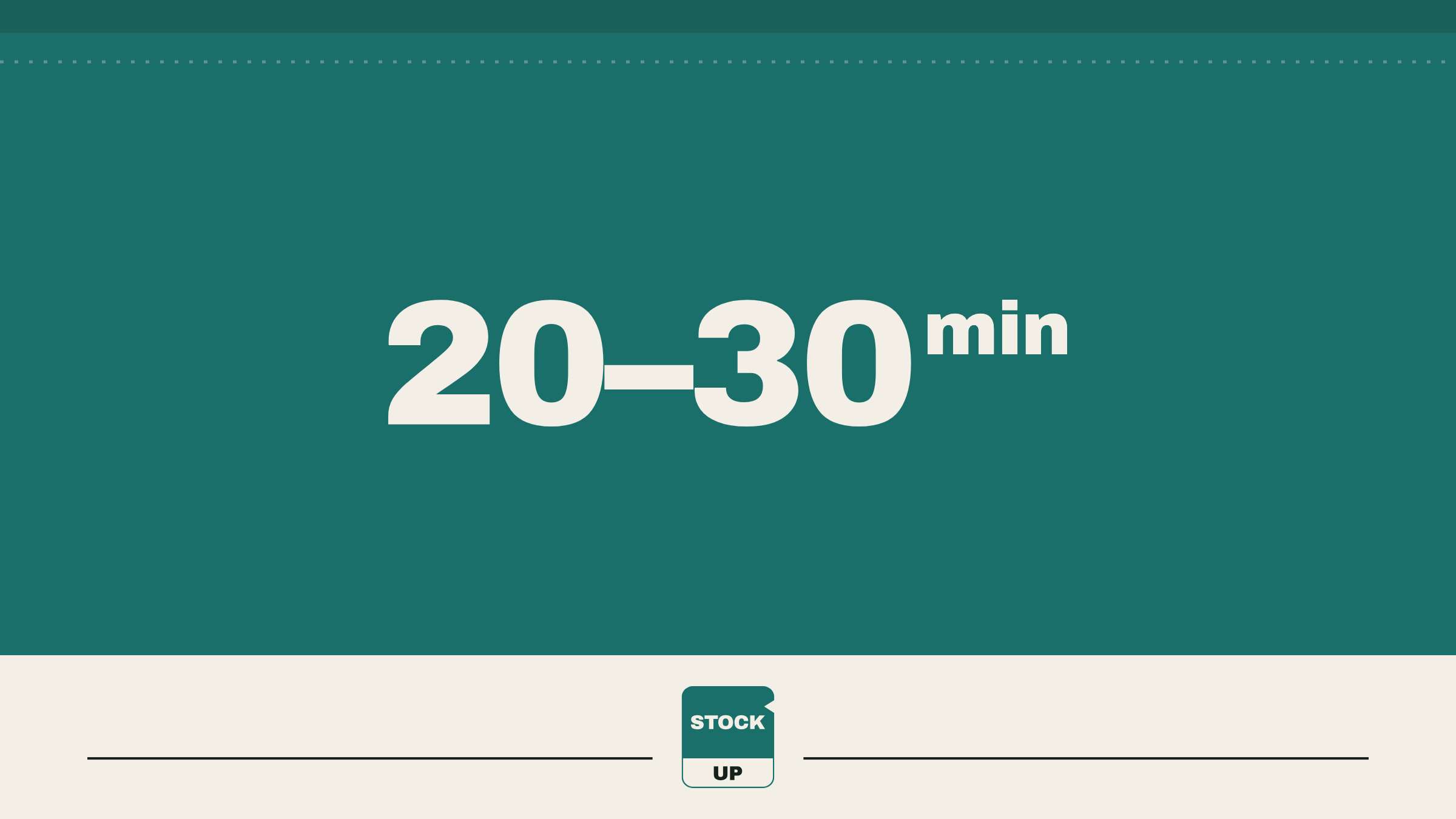
With cold water, most of our mains and breakfasts take 20–30 minutes depending on the meal. The Guacamole only ever takes cold water, about 5 minutes, and the Thai Beef & Prawn Noodle Salad is a salad that wants cold water first; if you do warm it, warm, not boiling. Meat and potato stay a little firmer made up cold, and a spoonful of liquid may be left at the bottom. Leave two at home on a no-flame trip: Porcini Mushroom Risotto and Mashed Potato are hot water only. The method is in freeze-dried meals with cold water, and what else soaks without a stove is in cold soaking.
Make a pouch up when you’re ready to eat it, not before. Once the water is in, we treat it as prepared food, and the clock above applies.6
Three days, meal by meal
One person, fresh food first:
- Day 1, lunch: bread, tomatoes, cheese and sausage from the shop on the way.
- Day 1, dinner: Chicken & Rice, about 20 minutes with cold water, and the guacamole beside it.
- Day 2, breakfast: Porridge & Fruit, made up with cold water, about 20 minutes.
- Day 2, lunch: what’s left of the bread, a tin of tuna, a tomato.
- Day 2, dinner: the Thai Beef & Prawn Noodle Salad, about 20 minutes.
- Day 3, breakfast: a Strawberry Shake, shaken in a bottle, and sliced bread.
- Day 3, lunch: crispbread, peanut butter, a tin of sardines, an apple.
Water for that menu is your drinking water plus what each pouch asks for, and nothing for washing up. Don’t count on a lake or a stream for drinking, cooking or cleaning, however clean it looks, says the USDA;12 if you have to, how to make water safe to drink has the methods.
Stoves and fire: check the rule where you are
There’s no single rule, for Europe or anywhere else. The USDA’s line for the US is that many camping areas prohibit campfires, so check first.12 Scotland’s Outdoor Access Code asks for a stove rather than an open fire, and no open fire at all in times of high fire risk.16
Spain is the strict case. In Andalusia, from 1 June to 15 October, no fire may be lit to prepare food on forest land or within 400 m of it, and that includes picnic and camping areas, even those set up for it.7 Gas stoves appear in that order only as an exception for authorised tourist accommodation, with permission from the province in advance; on a campsite, ask at reception whether it covers theirs.7 The end date moves: in 2025 the period ran to 31 October,8 and every Spanish region sets its own dates.9 In a van, Spain’s traffic directorate says parking isn’t camping, as long as nothing leaves the vehicle’s outline: no awning, no table, no chairs.10 Put them out and you’re camping, which Andalusia’s campsite decree allows only on licensed campsites as a general rule.11
On foot the same sums apply, and food for a multi-day hike builds a menu round them, by the gram.
From our range
Thai Beef & Prawn Noodle SaladLarge
Sources
Accessed 10 November 2026
- Les dates t’ajuden a no malbaratar aliments (opens an external website)
- Lebensmittel richtig lagern (opens an external website)
- Commission Delegated Regulation (EU) 2023/2465 (opens an external website)
- Home food fact checker (opens an external website)
- Keeping food safe on a picnic (opens an external website)
- Prevenir intoxicaciones alimentarias en verano (opens an external website)
- Limitaciones de usos y actividades en terrenos forestales (opens an external website)
- Decreto-ley 5/2026, de 20 de abril (opens an external website)
- Ley 43/2003, de 21 de noviembre, de Montes (opens an external website)
- Instrucción PROT 2026/04, Autocaravanas (opens an external website)
- Decreto 26/2018, de 23 de enero, de ordenación de los campamentos de turismo (opens an external website)
- Food safety while hiking, camping & boating (opens an external website)
- Picnics, camping and food safety (opens an external website)
- Recomendaciones para la elaboración y transporte de comidas para su consumo en el centro escolar (opens an external website)
- Verbrauchertipps: Schutz vor Lebensmittelinfektionen im Privathaushalt (opens an external website)
- Camping (opens an external website)
Hear from us before the shop opens
Leave your email. After a quick confirmation you get a welcome, a couple of short notes about our food and one email the day ordering opens. Nothing else.