Cold soaking: which foods work, how long they take, which don’t
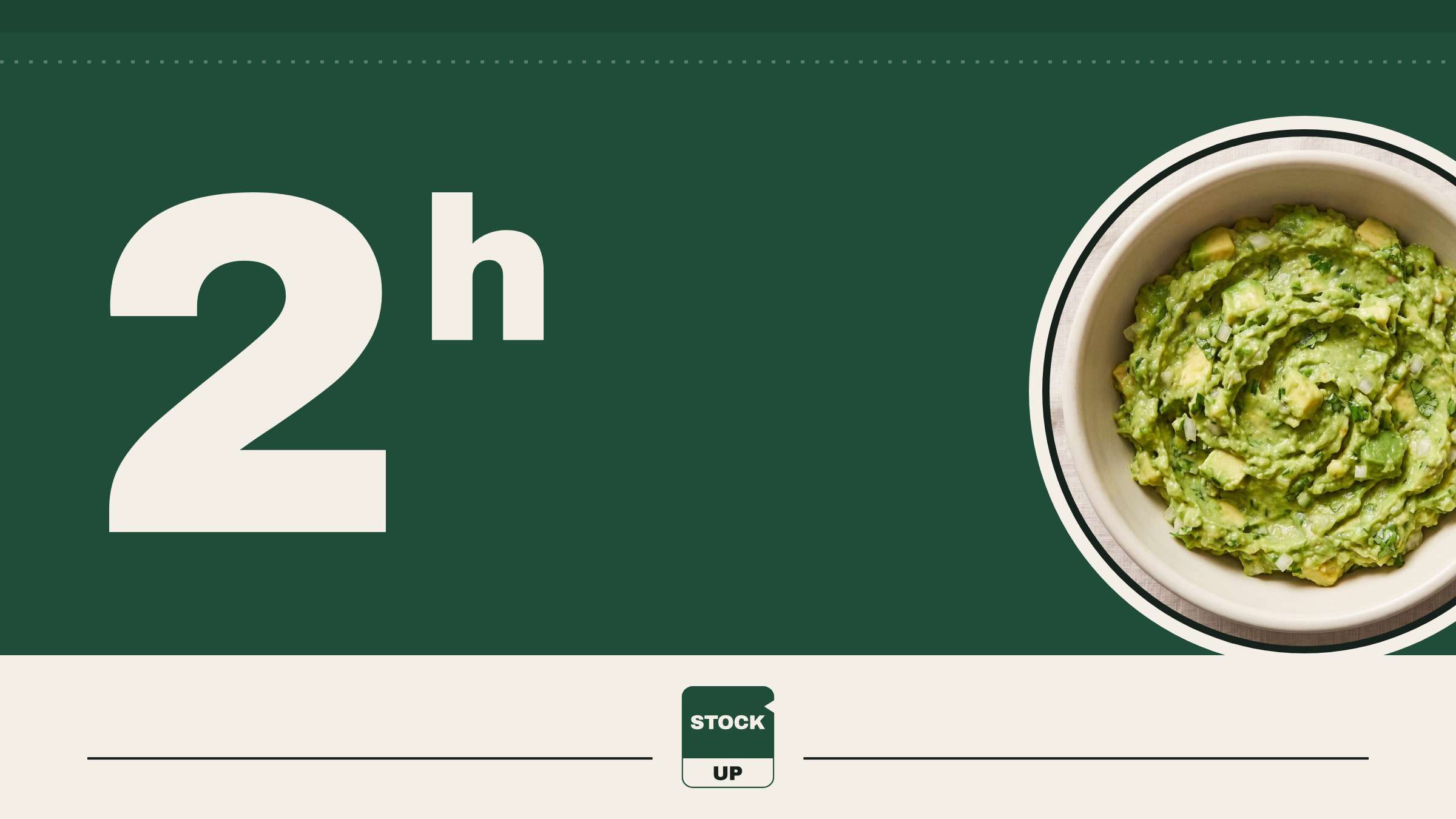
Leaving the stove at home saves what REI gives as the weight of a cook kit, 16 to 24 ounces (about 450 to 680 grams). What it costs is time: instant mash is ready at once, pasta can take two hours, and two hours is all the USDA gives food out of the fridge.
By STOCKUP · Updated

In this guide (5)
What soaks in cold water, and how long it takes
Cold soaking means rehydrating a meal “by soaking it in treated water instead of cooking it”, in REI’s words.1 The same question for our own pouches is answered in freeze-dried meals with cold water; what follows is food anyone can buy. Food that was cooked before it was dried, and small pieces, soak fastest. REI’s rule of thumb: “the crunchier the raw food, the more time it will likely take to rehydrate”, so pasta and rice take far longer than instant mash or couscous.1 Its suggested times are below, with REI’s own caveat: “Rehydration time can vary.”
| Time, per REI | Note | |
|---|---|---|
| Instant mashed potato | 0 minutes | Ready as soon as it’s stirred |
| Couscous | 5 to 10 minutes | One of REI’s good candidates |
| Dehydrated refried beans | 5 to 30 minutes | REI names the instant kind a good candidate |
| Dehydrated vegetables | 10 to 30 minutes | The crunchier the piece, the longer |
| Ramen noodles | 20 to 30 minutes | Cold ramen “just isn’t the same”, says the Washington Trails Association2 |
| Pasta | 1 to 2 hours, or longer | Macaroni beats spaghetti; pasta cooked and then dried is best |
| Rolled oats | No figure | Try it at home or on a day walk first, as the WTA advises for anything new2 |
Cold-soak times as REI publishes them1
Instant mashed potato
- Time, per REI
- 0 minutes
- Note
- Ready as soon as it’s stirred
Couscous
- Time, per REI
- 5 to 10 minutes
- Note
- One of REI’s good candidates
Dehydrated refried beans
- Time, per REI
- 5 to 30 minutes
- Note
- REI names the instant kind a good candidate
Dehydrated vegetables
- Time, per REI
- 10 to 30 minutes
- Note
- The crunchier the piece, the longer
Ramen noodles
- Time, per REI
- 20 to 30 minutes
- Note
- Cold ramen “just isn’t the same”, says the Washington Trails Association2
Pasta
- Time, per REI
- 1 to 2 hours, or longer
- Note
- Macaroni beats spaghetti; pasta cooked and then dried is best
Rolled oats
- Time, per REI
- No figure
- Note
- Try it at home or on a day walk first, as the WTA advises for anything new2
REI also lists dehydrated macaroni and powdered hummus among the foods that soak well, and suggests jerky, salami, tuna, nuts or nut butter to add protein that needs no water at all.1 Of those, the nuts and nut butter carry the most for their weight, as the tables in backpacking food by calorie density show.
The method, jar to spoon
Step by step
Pick the jar
One with a good seal, says the Washington Trails Association: at least about 470 ml (16 oz), more if you eat a lot, and wide and shallow enough for a spoon to reach the bottom.2Measure the food at home
REI’s advice is to work out the proportions before you leave, so you know how much water covers your portion.1Pour treated water to cover
Filtered or purified water, until the food is covered.1 Water from a stream goes through your filter or treatment first;2 the methods are in how to make water safe to drink.Close it and keep walking
REI suggests starting the soak about 30 minutes to an hour before you expect to reach camp, depending on what’s in the jar.1Stir and eat
Stir right to the bottom, then eat it straight from the jar.Rinse it straight away
Pour in a little clean water, put the lid on and shake, immediately after eating.2
How long soaked food can wait
The food-safety authorities have no rule for cold-soaked food as such; their rules are for food kept out of the fridge. Once the water is in, dried food is prepared food, so on our reading of those rules the clock starts when the water goes in. REI makes the same link: it warns that food left in lukewarm conditions grows bacteria and points to the USDA’s guidelines.1
| Out of the fridge | In hot weather | |
|---|---|---|
| United States (USDA FSIS) | “Never leave food out of refrigeration over 2 hours”3 | Not more than 1 hour above 32 °C (90 °F)3 |
| United Kingdom (FSA) | Cooked food into the fridge within one to two hours4 | Try not to leave food out longer than two hours when it’s hotter than usual5 |
| Spain (AESAN) | No more than 2 hours at room temperature6 | 1 hour above 30 °C, in its 2026 leaflet on school lunch boxes9 |
| Germany (BfR) | No hour figure: germs that reach cooked food multiply between 10 °C and 60 °C7 | No figure |
| Europe (WHO) | Cooked food no more than 2 hours at room temperature8 | No figure |
Food out of the fridge, as each authority words it; figures as of the date under the sources
United States (USDA FSIS)
United Kingdom (FSA)
Spain (AESAN)
Germany (BfR)
- Out of the fridge
- No hour figure: germs that reach cooked food multiply between 10 °C and 60 °C7
- In hot weather
- No figure
Europe (WHO)
- Out of the fridge
- Cooked food no more than 2 hours at room temperature8
- In hot weather
- No figure
WHO Europe’s summer advice adds the other half of any soak: “Use safe water or treat it to make it safe.”8
A soak started 30 to 60 minutes before camp sits well inside the two hours the USDA, AESAN and WHO Europe give. A jar filled at breakfast and carried in a warm pack until evening does not.
Worked through for a summer evening with camp at 19:00: couscous, at REI’s 5 to 10 minutes, can go in at about 18:50, and ramen, at 20 to 30 minutes, at about 18:30. Both are eaten well inside two hours of the water going in. Pasta, at 1 to 2 hours, has to start by 17:00, and on an afternoon above 32 °C (90 °F) a two-hour soak is already past the USDA’s one-hour figure before you eat. That’s the case for leaving pasta at home and taking couscous.
When leaving the stove isn’t worth it
The average backpacking cook kit weighs “somewhere between 16 and 24 ounces”, REI says: about 450–680 g.1 That is what cold soaking saves, and REI adds that many hikers prefer it during fire bans, to reduce the risk.1 In southern Spain the summer fire rules reach the stove too, and camping food with no fridge and no flame sets them out.
REI lists three reasons to keep the stove. In the cold, “leaving a stove behind can pose a safety risk”. Some foods don’t rehydrate well, or quickly, in cold water. And a stove is “a great back-up water purifier”.1 So on a winter trip, at a cold high camp or through a week of doubtful water, the 450–680 g earns its place.
Freeze-dried meals in cold water
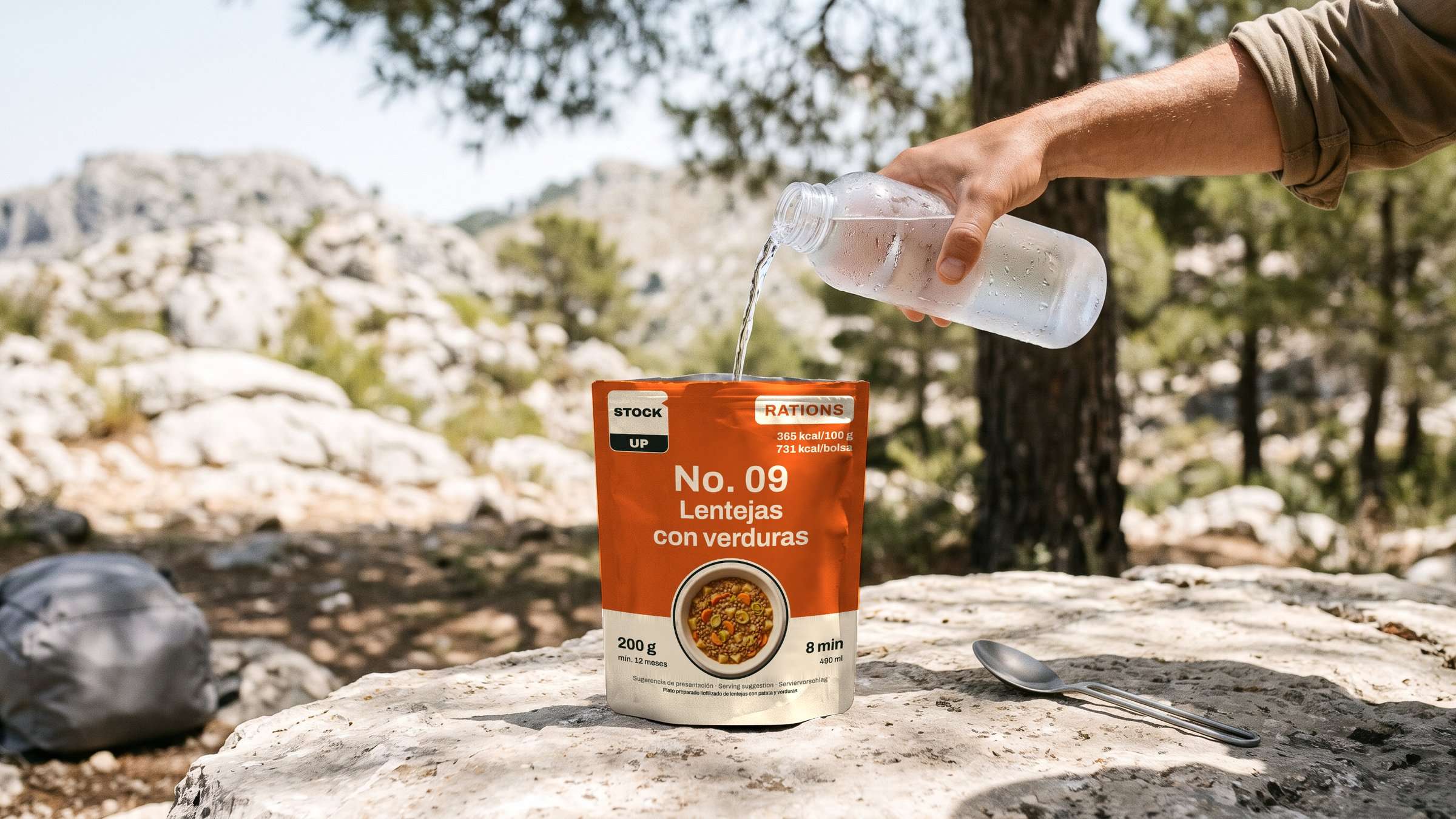
Whether a freeze-dried meal from any maker works cold is for that maker to say, on the label. The water is the same as for a jar: drinking water, or water you’ve treated. Most of our pouches work with cold water too, 20–30 minutes depending on the meal; the table has three of them.
| Pouch | Water | Hot water | Cold water |
|---|---|---|---|
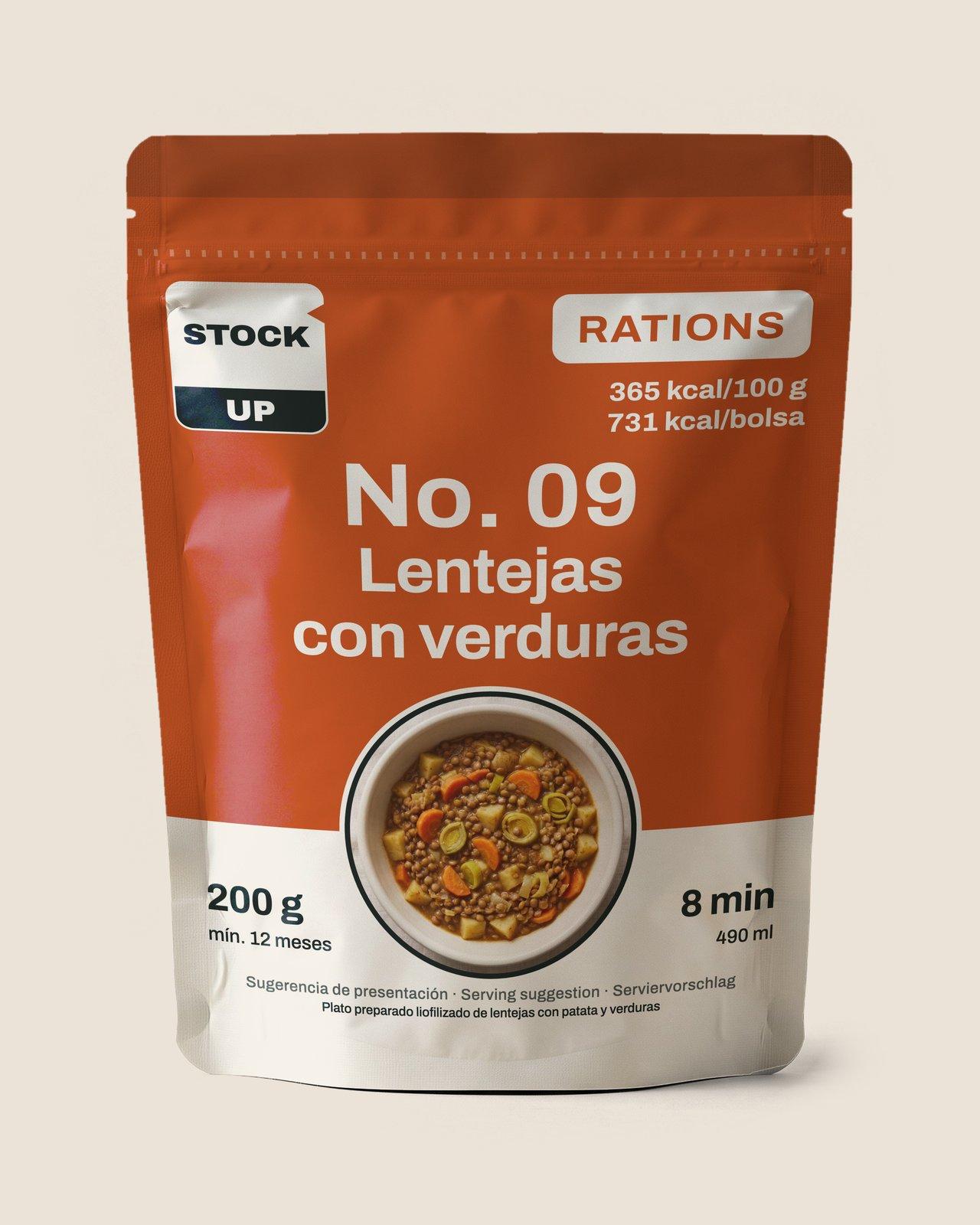 Lentil & Vegetable StewLarge | 490 ml | 8 min | about 30 min |
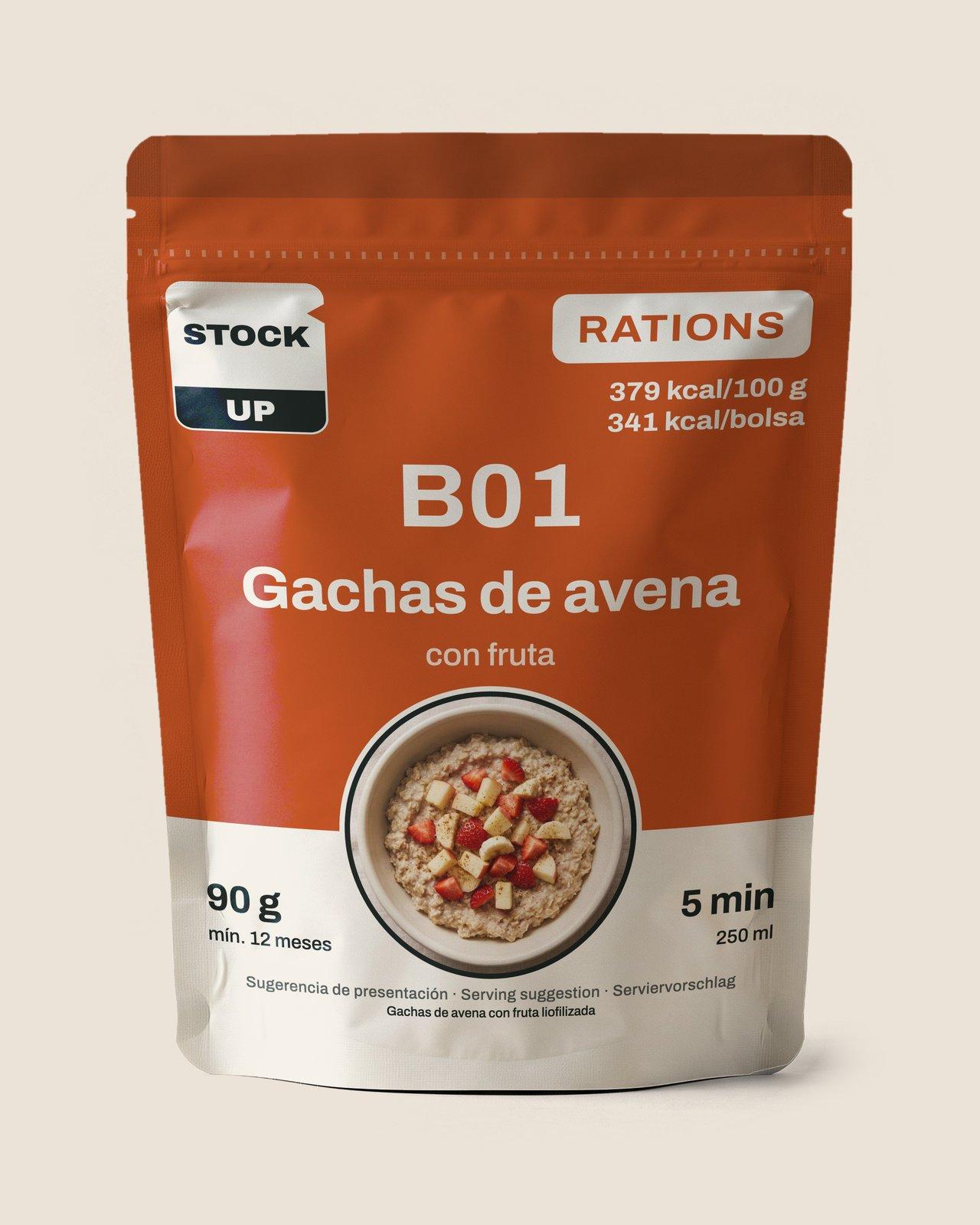 Porridge & Fruit | 250 ml | 5 min | about 20 min |
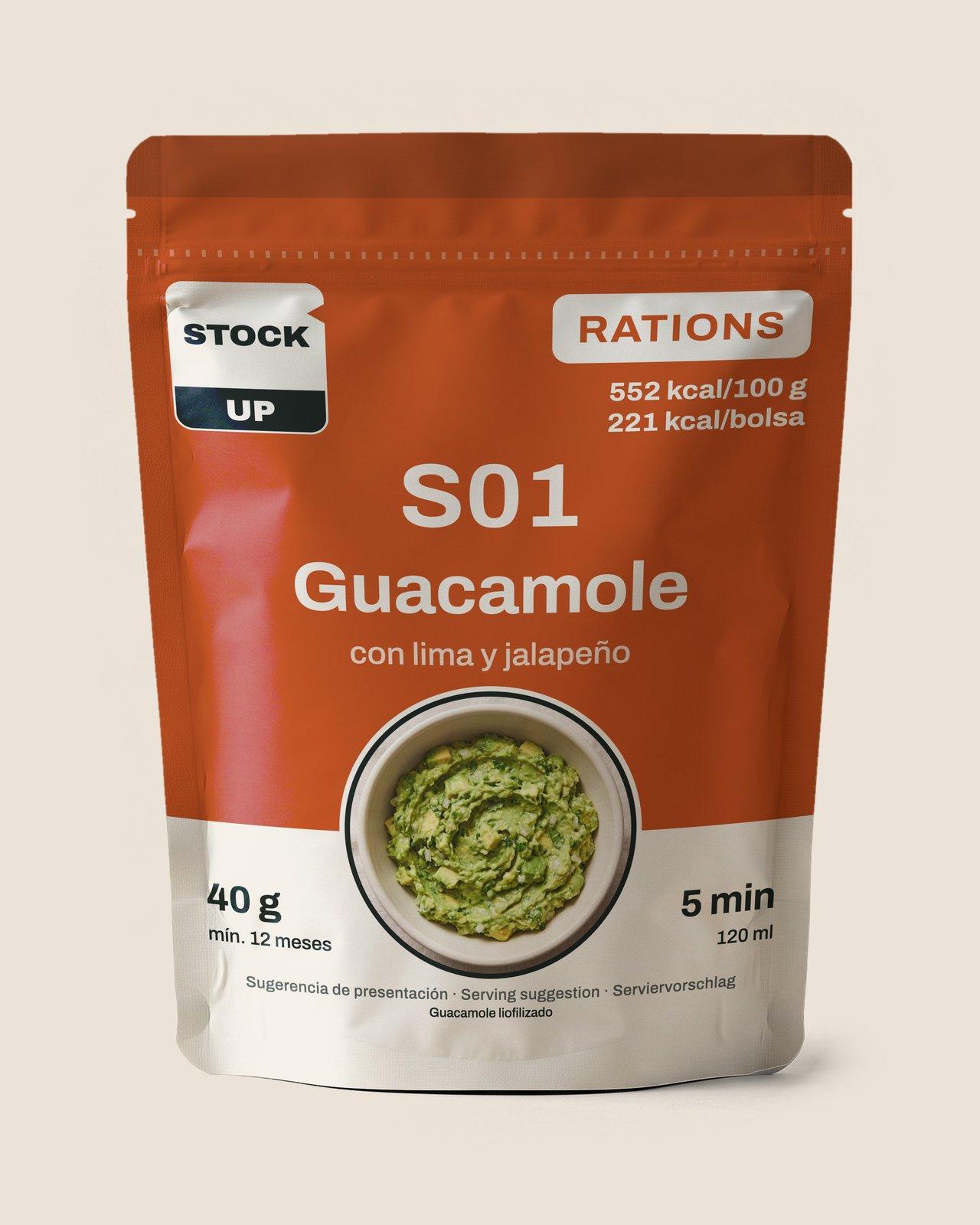 Guacamole | 120 ml | Cold water only | 5 min |
Three of ours with cold water
- Lentil & Vegetable StewLarge
- Water
- 490 ml
- Hot water
- 8 min
- Cold water
- about 30 min
- Porridge & Fruit
- Water
- 250 ml
- Hot water
- 5 min
- Cold water
- about 20 min
- Guacamole
- Water
- 120 ml
- Hot water
- Cold water only
- Cold water
- 5 min
The Lentil & Vegetable Stew, a vegan lentil stew, takes about 30 minutes cold; the Porridge & Fruit about 20 minutes. The Guacamole is the other way round: cold water only. Cold water leaves meat and potato a little firmer than hot, sometimes with a spoonful of liquid at the bottom. Some are hot water only, and REI’s 0 minutes for instant mash doesn’t carry over to ours: the Mashed Potato, the Porcini Mushroom Risotto and the broths.
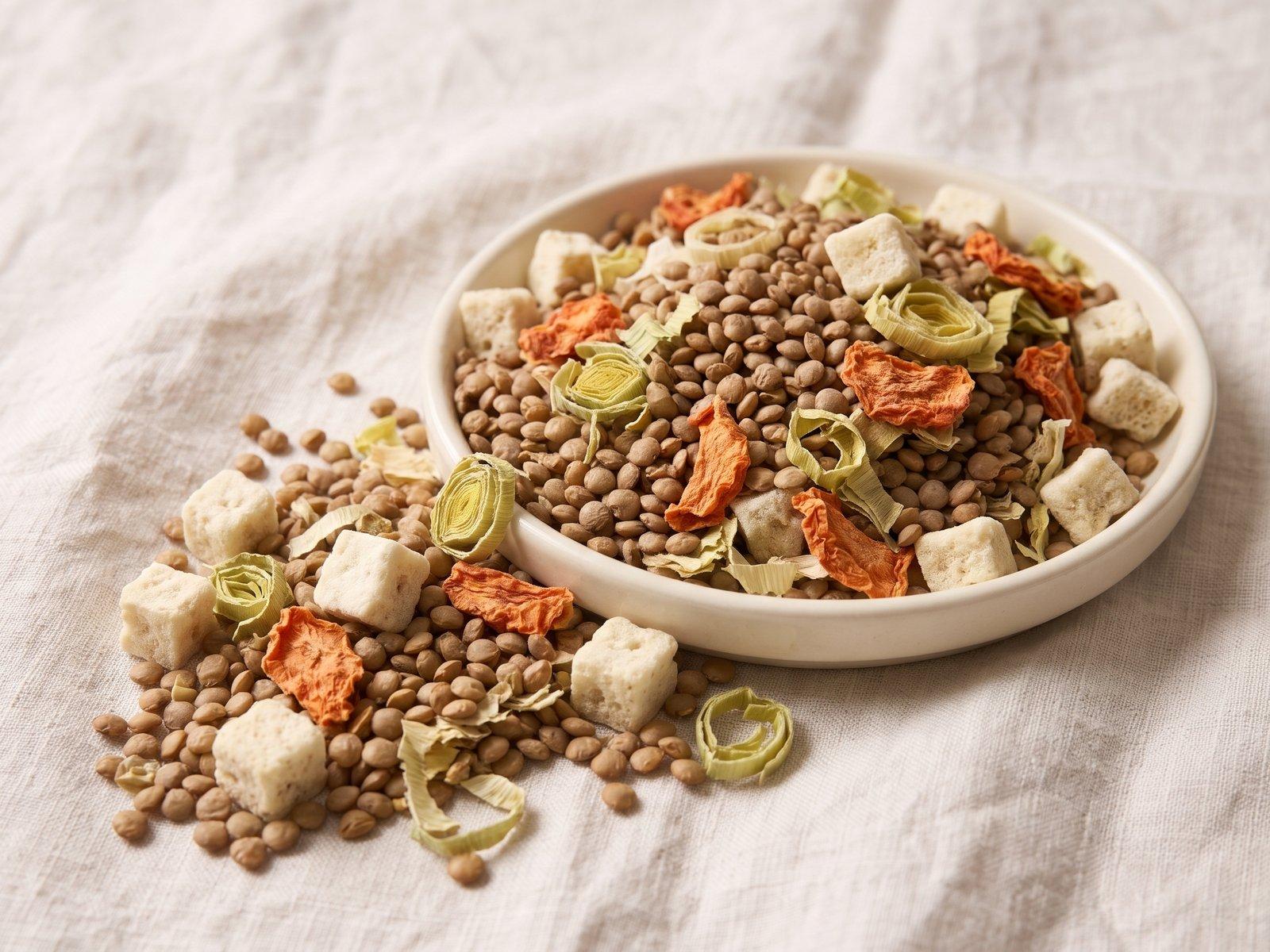
Dry, from the pouch
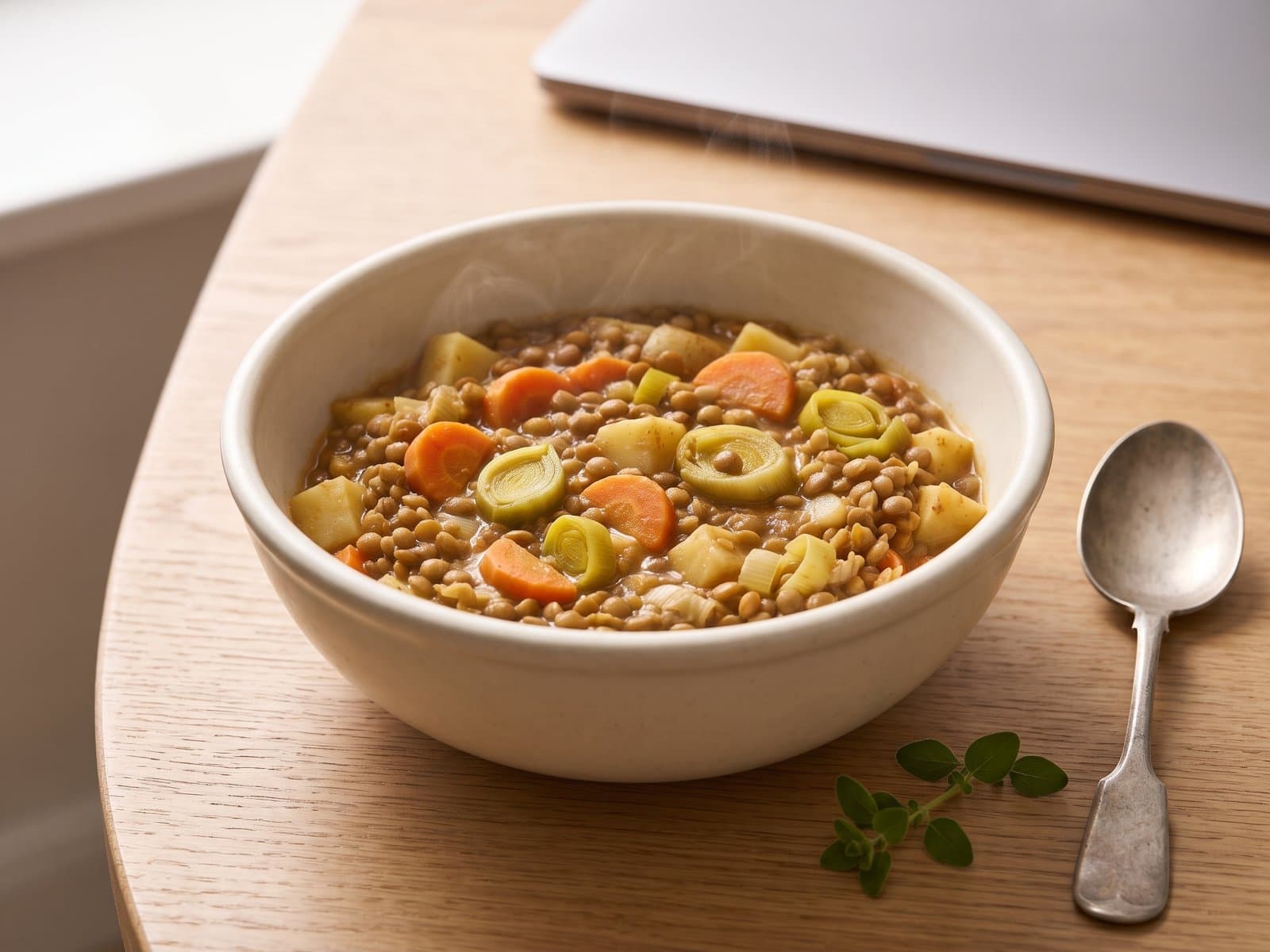
With waterServing suggestion
Stir into the corners, close the zip and give it a second stir halfway, as with any pouch. The clock applies to a pouch exactly as it does to a jar: from the moment the water goes in.
From our range
Lentil & Vegetable StewLarge
Sources
Accessed 10 November 2026
- A Guide to Cold Soaking Your Food (opens an external website)
- Go stove-free: 10 tips for cold-soaking your food (opens an external website)
- Danger Zone (40°F - 140°F) (opens an external website)
- How to chill, freeze and defrost food safely (opens an external website)
- Food safety in a heatwave: advice for consumers (opens an external website)
- Prevenir intoxicaciones alimentarias en verano (opens an external website)
- Vorkochen für mehrere Tage (opens an external website)
- Public health advice on food safety during summer (opens an external website)
- Recomendaciones para la elaboración y transporte de comidas para su consumo en el centro escolar (opens an external website)
Hear from us before the shop opens
Leave your email. After a quick confirmation you get a welcome, a couple of short notes about our food and one email the day ordering opens. Nothing else.